

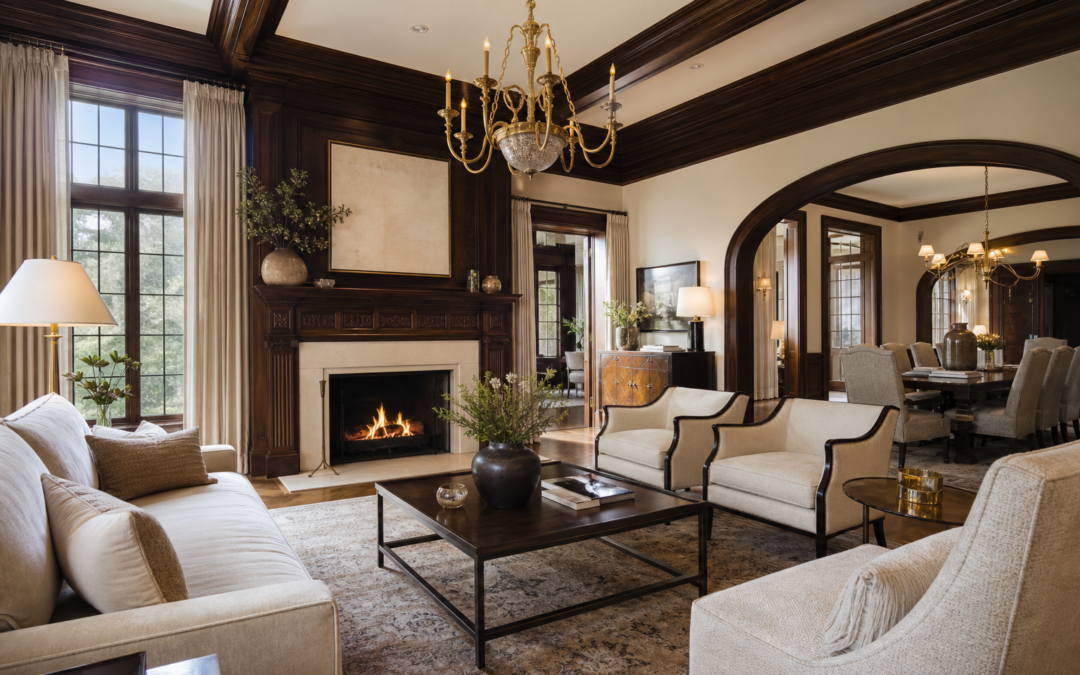
Remodeling older luxury homes is about more than updating a property—it’s about honoring its history while shaping it for the way you live today. With the right vision, a dated estate can become a breathtaking reflection of timeless character and modern comfort.
By preserving the details that give a home its soul while introducing elevated design, refined functionality, and lasting value, homeowners can breathe new life into a beloved property. For those who treasure craftsmanship and elegance, the process offers a rare opportunity to enhance a home without losing the charm that made it exceptional in the first place.
Why Remodeling Older Luxury Homes Requires a Distinct Approach
Remodeling older luxury homes calls for a level of care that goes far beyond standard renovation. These residences often feature custom millwork, hand-finished plaster, natural stone, artisan metalwork, old-growth wood framing, and one-of-a-kind architectural details that are difficult—if not impossible—to replicate.
Every decision matters. A single design choice can either support the integrity of the home or diminish what makes it extraordinary.
Unlike newer homes, older luxury properties often come with hidden conditions behind the walls, beneath the floors, and above the ceilings. Aging electrical systems, outdated plumbing, inefficient insulation, moisture issues, structural settling, and code concerns can all influence the scope of work.
A successful luxury home remodeling project begins with a careful evaluation of the home’s existing condition, not assumptions. This early planning stage protects both design goals and investment value.
At the same time, homeowners are rarely looking for a simple cosmetic refresh. They want a finished result that feels seamless, elevated, and deeply personal.
That might mean opening up formal spaces for better flow, redesigning a primary suite, integrating a chef-worthy kitchen, or introducing discreet smart home technology without disrupting the home’s character. The art lies in making major improvements feel as though they always belonged there.
Balancing Architectural Character With Modern Living
One of the most important aspects of remodeling older luxury homes is striking the right balance between preservation and transformation. Homeowners often fall in love with original archways, vintage fireplaces, dramatic staircases, detailed ceilings, and historic windows.
At the same time, they want comfort, convenience, and functionality that support everyday life. This is where thoughtful design becomes essential.
A luxury remodeling strategy should respect scale, proportion, and materiality while making room for modern expectations. For example, a previously compartmentalized floor plan can be reworked to feel more open and livable while still maintaining formal gathering areas.
Bathrooms can be reimagined with spa-like finishes and improved layouts. Kitchens can become highly functional showpieces that blend custom cabinetry, premium appliances, and timeless surfaces.
When done well, the result does not feel forced or overly trendy. Instead, it feels harmonious.
The home remains true to its architectural roots while offering a better experience in every room. That combination is especially valuable for clients seeking a forever home—one that carries lasting beauty while supporting contemporary lifestyles.
The Importance of Craftsmanship in Luxury Home Renovation
Craftsmanship is the foundation of any exceptional luxury home renovation, especially in older residences where details define the experience of the space. High-end remodeling is not simply about replacing old materials with new ones.
It is about using skilled hands and trained eyes to create consistency, quality, and refinement throughout the home. In remodeling older luxury homes, craftsmanship often shows up in the smallest moments.
The curve of a handrail, the alignment of tile, the reveal around trim, the stain match on wood floors, the profile of cabinetry, or the invisible integration of updated systems all matter. These details shape how a home feels.
They communicate permanence, care, and distinction. Custom finishes are often part of the process because older homes rarely accommodate one-size-fits-all solutions.
A luxury builder must be equipped to tailor work to the home’s existing architecture while elevating performance and beauty. This may include recreating period-inspired moldings, matching historic materials, or designing bespoke elements that bridge old and new with grace.
For homeowners investing in a luxury remodel, this level of precision matters. It protects the value of the property while creating an environment that feels polished, intentional, and rare.
Smart Upgrades That Add Comfort and Long-Term Value
While visual beauty plays a major role, practical improvements are equally essential when remodeling older luxury homes. Older properties often need comprehensive behind-the-scenes upgrades to meet today’s standards for comfort, efficiency, and reliability.
These enhancements may not always be the most visible part of the remodel, but they are often among the most meaningful. The best projects treat them as part of the overall design story.
– Modern electrical service and lighting design
– Updated plumbing systems and fixtures
– Enhanced HVAC performance and zoning
– Energy-efficient insulation and window improvements
– Smart home integration for lighting, climate, security, and shading
– Improved storage solutions and organizational design
Technology should feel intuitive, not intrusive. Efficiency should support comfort without compromising architectural elegance.
Convenience should enhance the home quietly, allowing the spaces themselves to remain the focal point. These improvements also contribute to long-term value.
Buyers and homeowners alike recognize the advantage of a residence that combines timeless appeal with dependable, modern infrastructure. In high-end real estate, that blend can make a significant difference.
Creating Signature Spaces That Feel Personal
Another defining element of remodeling older luxury homes is the opportunity to create spaces tailored to the homeowner’s lifestyle. Rather than following generic trends, luxury remodeling should respond to the way a family lives, entertains, relaxes, and gathers.
This could mean transforming an underused room into a private study, wine lounge, wellness retreat, home library, or elegant guest suite. It may also mean expanding indoor-outdoor living or creating a more functional mudroom and service area.
For many homeowners, it means designing a statement kitchen that becomes the heart of the home. In larger estates, it can also involve reworking secondary spaces to improve privacy, flow, and livability for both family and guests.
Personalization is what turns a remodel from impressive to unforgettable. It gives each room a sense of purpose and makes the home feel deeply connected to the people who live there.
In an older luxury property, those custom changes can be even more powerful because they refresh the home’s relevance without erasing its identity. That balance is what gives the finished result both meaning and impact.
Choosing the Right Builder for an Older Luxury Home Remodel
The success of remodeling older luxury homes depends heavily on who leads the process. These projects require more than construction knowledge.
They require design sensitivity, technical understanding, communication, problem-solving, and respect for the legacy of the home. A qualified luxury custom builder will know how to navigate complexity without losing sight of the final vision.
They will approach planning carefully, coordinate trades at a high level, anticipate challenges, and maintain exacting standards throughout the project. With the right team in place, an older luxury home can be transformed in a way that feels both elevated and authentic.
**[Click Here to Get Started](https://ironwoodsignaturebuilders.com)**