

The whole home renovation process begins with a vision of something better—more comfort, more beauty, and a home that finally reflects the way you live. It’s an exciting journey, but it also comes with important decisions that can shape every detail of the outcome.
With the right planning, trusted guidance, and a thoughtful approach, transforming your space can feel less overwhelming and far more inspiring. It becomes a way to turn possibility into a place you truly love coming home to.
A successful whole home renovation process is built on more than fresh finishes and updated layouts. It is a carefully managed experience that brings structure to a major life change.
When every room in a house is being reimagined, each phase matters—from defining priorities to selecting materials and coordinating construction. For homeowners who want lasting quality, understanding how the process works can help create confidence from the first meeting to the final walkthrough.
## Defining Goals for Your Whole Home Renovation
The first step in any whole home renovation process is identifying what needs to change and why. Some homeowners want to modernize an outdated property, while others need a better floor plan for a growing family.
In some cases, the goal is to preserve the charm of an older home while improving function, efficiency, and comfort. This stage is about clarity.
Before design plans begin, it helps to think about daily routines, storage challenges, traffic flow, and the way each space should feel. The kitchen may need to become more open and social, while bathrooms may need a calmer, more refined design.
Bedrooms may need improved privacy, lighting, or built-in organization. By starting with specific objectives, the renovation becomes more purposeful and aligned with long-term needs.
## Planning the Scope of Work
Once goals are clear, the next phase of the whole home renovation process is determining the full scope of work. This includes deciding which areas will be remodeled, what structural updates may be required, and whether systems such as plumbing, electrical, or HVAC need upgrades.
A whole home remodel often involves interconnected decisions. Opening a wall in one area may affect flooring continuity, lighting placement, and heating or cooling performance in another.
That is why careful planning is essential. A well-developed scope of work helps prevent surprises, supports a realistic timeline, and ensures that each part of the home comes together as one cohesive design.
This is also the time to separate must-haves from nice-to-haves. Prioritizing key improvements keeps the project grounded and makes it easier to allocate the budget where it matters most.
## Budgeting with Intention
Every strong whole home renovation process includes a thoughtful budget. Renovating an entire home is a significant investment, and a smart financial plan creates room for both beauty and practicality.
A comprehensive budget should account for design, materials, labor, permits, inspections, and contingency funds for unexpected conditions. Older homes in particular can reveal issues behind walls or under floors once work begins.
Allowing flexibility in the budget helps reduce stress if updates are needed to bring the home up to current standards. Rather than seeing budgeting as limiting, it is more helpful to view it as a guide that supports better decision-making.
When homeowners understand where their investment is going, they can focus on upgrades that improve daily living and long-term value. Durable materials, quality craftsmanship, and efficient systems often provide benefits that extend far beyond the renovation itself.
## Designing a Home That Feels Connected
One of the most rewarding parts of the whole home renovation process is design development. Because the project touches multiple rooms, there is an opportunity to create a consistent look and feel throughout the home.
This does not mean everything must match exactly. It means the spaces should feel connected, balanced, and thoughtfully curated.
Design choices such as flooring, cabinetry, trim details, paint colors, countertops, fixtures, and lighting all influence the final atmosphere. A whole home approach allows these elements to work together instead of competing from room to room.
The result is a home that feels intentional and complete. Function is just as important as style.
Layout updates, storage improvements, natural light, and room-to-room flow should all support the way the household lives each day. Good design solves problems quietly and helps a home feel easier to use.
It also makes the space more comfortable to gather in and more supportive of the people inside it. That balance is what gives the finished home lasting value.
## Selecting Materials That Endure
Material selection is a defining part of the whole home renovation process because these choices shape both appearance and performance. In high-use areas, durability matters just as much as aesthetics.
Flooring should stand up to daily traffic, countertops should handle regular use, and fixtures should offer reliability as well as visual appeal. This is where craftsmanship and material quality become especially important.
A home renovation is not just about what looks good on completion day. It is about how the space performs over the years ahead.
Timeless finishes often offer the greatest return because they remain appealing even as trends shift. By selecting materials with care, homeowners can achieve a home that feels elevated without sacrificing comfort.
Texture, warmth, and subtle detail can bring a powerful emotional element to the finished space. These choices help each room feel welcoming and lasting.
## Managing Construction with Clear Communication
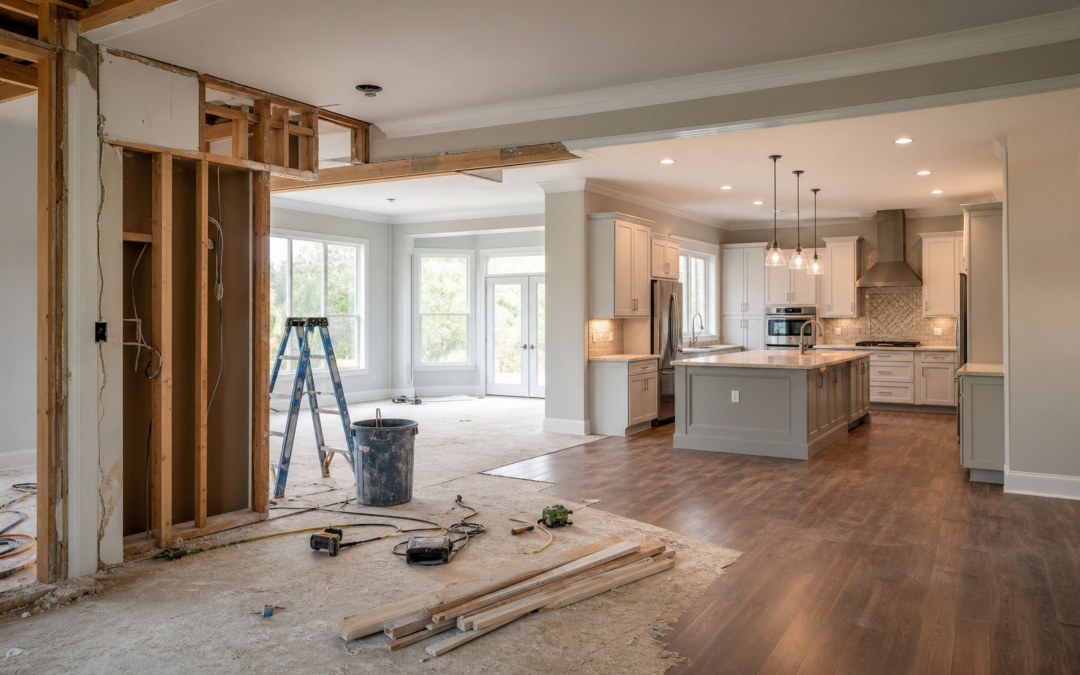
During construction, the whole home renovation process becomes especially active. Demolition, framing, rough-ins, installations, finishes, and inspections all need to happen in the right order.
With so many moving parts, communication is essential. Homeowners benefit from a renovation team that provides regular updates, explains next steps clearly, and addresses questions promptly.
This level of organization helps maintain momentum and reduces unnecessary confusion. It also keeps expectations aligned throughout the project.
Construction can temporarily disrupt routines, but a professionally managed process makes that disruption easier to navigate. Knowing what is happening, when it is happening, and why it matters helps homeowners stay engaged and confident while their home is being transformed.
## Bringing Character and Function Together
A meaningful whole home renovation process does more than improve visual appeal. It shapes how a home supports everyday life.
An updated laundry room can simplify routines, a reworked mudroom can reduce clutter, and a better primary suite can offer privacy and rest. Expanded living areas can make gatherings feel effortless and warm.
These changes often have an emotional impact that goes beyond design. When a home works better, life at home can feel calmer, more organized, and more enjoyable.
The renovation becomes part of a larger story—one that reflects changing needs, growing families, and a desire to create something deeply personal. Whole home remodeling is also an opportunity to preserve meaningful elements while introducing new ones.
Original architectural features, cherished layouts, or familiar details can be blended with modern improvements. This allows the home to retain its character while becoming more functional for the future.
**[Click Here to Get Started](https://ironwoodsignaturebuilders.com)** and fill out the consultation form.