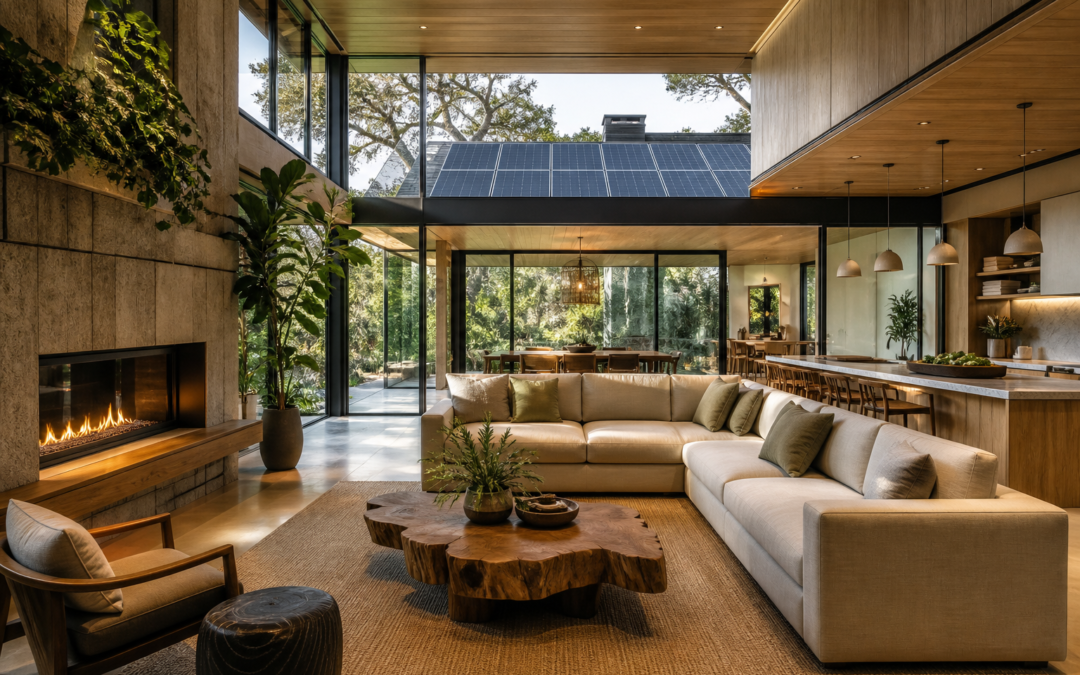
by Tom Koz | ironwood
Eco-friendly luxury home upgrades are redefining what it means to live beautifully, blending refined design with mindful choices that honor both comfort and the environment.
From elegant materials and energy-smart features to healthier indoor spaces filled with natural light, these thoughtful enhancements create a home that feels as good as it looks. For homeowners who want every detail to reflect lasting value and elevated style, sustainable luxury offers a powerful way to build a space that inspires every day.
Why Homeowners Are Choosing Eco-Friendly Luxury Home Upgrades
Today’s high-end homeowners are looking for more than visual beauty alone. They want spaces that support wellness, reduce waste, improve efficiency, and stand as a lasting reflection of intentional living.
That is exactly why eco-friendly luxury home upgrades have become such a meaningful investment. These upgrades are not simply trends.
They represent a deeper shift toward homes that are sophisticated, responsible, and designed to perform exceptionally well for years to come.
Luxury no longer has to come at the expense of sustainability. In fact, many of the most desirable custom home features now center on environmental responsibility, long-term savings, and better daily living.
When carefully selected and professionally integrated, sustainable home upgrades can raise property value, lower utility costs, and create an elevated living experience that feels both modern and timeless.
High-Performance Windows and Doors That Elevate Comfort
One of the most impactful eco-friendly luxury home upgrades is the installation of high-performance windows and doors. These features do far more than enhance curb appeal.
They help regulate indoor temperatures, reduce energy loss, minimize outside noise, and make every room feel more comfortable throughout the year.
Advanced glazing, insulated frames, and tight seals can significantly improve a home’s energy efficiency. In a luxury home, these elements also support grand architectural views without compromising performance.
Oversized custom windows, sliding glass walls, and elegant entry systems can be designed to maximize natural light while helping homeowners reduce dependence on artificial lighting and climate control systems.
The result is a living space that feels brighter, quieter, and more connected to the outdoors while also supporting a lower environmental footprint.
Sustainable Building Materials With Lasting Beauty
Material selection plays a major role in any upscale renovation or custom build. Eco-friendly luxury home upgrades often begin with responsibly sourced, sustainable, and durable materials that deliver both style and substance.
Reclaimed wood, FSC-certified lumber, recycled metal, natural stone, and low-impact cabinetry products are all popular choices for discerning homeowners.
These materials add texture, warmth, and character while also reducing demand for newly harvested resources. Many sustainable materials are exceptionally durable, making them ideal for high-traffic areas such as kitchens, great rooms, staircases, and outdoor entertaining spaces.
They offer the kind of visual richness luxury homeowners expect, with the added benefit of mindful sourcing.
Choosing quality materials with longevity also means fewer replacements over time, which supports both sustainability and long-term value.
Energy-Efficient Kitchens Designed for Modern Living
The kitchen is often the centerpiece of the home, and it offers countless opportunities for eco-conscious luxury upgrades. Energy-efficient appliances, induction cooktops, water-saving fixtures, and custom cabinetry built with sustainable materials can transform this space into one that is beautiful, highly functional, and environmentally responsible.
Modern appliances with advanced energy ratings help reduce electricity and water use without sacrificing performance. Refrigerators, dishwashers, ovens, and wine storage systems now come in premium designs that align perfectly with luxury interiors.
Pairing these appliances with efficient layout planning and durable finishes can create a kitchen that serves as both a design statement and a smarter long-term investment.
For homeowners who entertain often or simply appreciate exceptional craftsmanship, a sustainable luxury kitchen offers a compelling blend of beauty, innovation, and everyday ease.
Spa-Inspired Bathrooms With Smarter Water Use
Bathrooms are another area where eco-friendly luxury home upgrades can make a significant impact. Features such as low-flow rainfall showerheads, high-efficiency toilets, smart leak detection systems, and water-saving faucets help lower water consumption while preserving a lavish experience.
Heated floors, responsibly sourced stone, custom vanities, and energy-efficient lighting can further elevate the space. Homeowners no longer need to choose between indulgence and efficiency.
Today’s luxury bathrooms are designed to deliver both. Every detail can contribute to a serene retreat while also helping conserve valuable resources.
This approach allows a home to feel restorative and elegant in a way that aligns with modern values and practical performance.
Smart Home Technology for Sustainable Luxury
Smart home systems have become essential in the world of high-end living, and they are especially effective when incorporated into eco-friendly luxury home upgrades. Intelligent thermostats, automated lighting controls, motorized shading, irrigation monitoring, and whole-home energy management systems give homeowners greater command over how their home uses resources.
These technologies can learn daily habits, optimize power consumption, and reduce waste without constant manual adjustment. Lighting can dim based on occupancy, shades can close automatically to reduce heat gain, and irrigation can pause during rainy weather.
The convenience is immediate, but the long-term benefits are just as compelling.
By combining intuitive automation with thoughtful design, homeowners can enjoy effortless comfort while maintaining a more energy-conscious home environment.
Outdoor Living Spaces With Sustainable Design
Luxury living extends beyond the walls of the home. Outdoor areas can also benefit from eco-friendly design strategies that enhance beauty and reduce environmental impact.
Sustainable landscaping, native plants, permeable pavers, drought-conscious irrigation systems, and energy-efficient outdoor lighting all contribute to a refined and responsible exterior.
Outdoor kitchens, covered patios, custom fire features, and resort-style lounging areas can be designed using durable, weather-resistant materials that support longevity and reduced maintenance. Native and adaptive plantings often require less water and fewer chemical treatments, creating a healthier landscape that still feels lush and inviting.
Well-designed outdoor spaces provide room to gather, reflect, and entertain while strengthening the connection between luxury living and environmental stewardship.
Better Insulation and Air Sealing for Long-Term Performance
Some of the most effective eco-friendly luxury home upgrades are the ones homeowners may not immediately see. High-quality insulation and air sealing improve overall comfort, reduce heating and cooling demand, and support a more stable indoor climate throughout every season.
Proper insulation in walls, attics, and crawl spaces helps preserve energy, while air sealing around ducts, windows, doors, and other openings reduces drafts and hidden inefficiencies.
In a luxury home, these behind-the-scenes improvements help protect the integrity of premium finishes and maintain the comfort expected from a custom-built environment.
This kind of performance-driven design is essential for creating a home that feels consistently comfortable and works smarter every day.
A Home That Reflects Your Values
The true power of eco-friendly luxury home upgrades lies in how they bring beauty, performance, and purpose together. A thoughtfully designed home can express personal style while also supporting healthier living and more responsible resource use.
When luxury and sustainability are treated as complementary priorities, the result is a home that feels elevated in every sense. It becomes a lasting investment in comfort, craftsmanship, and values that matter every day.
**[Click Here to Get Started](https://ironwoodsignaturebuilders.com)**
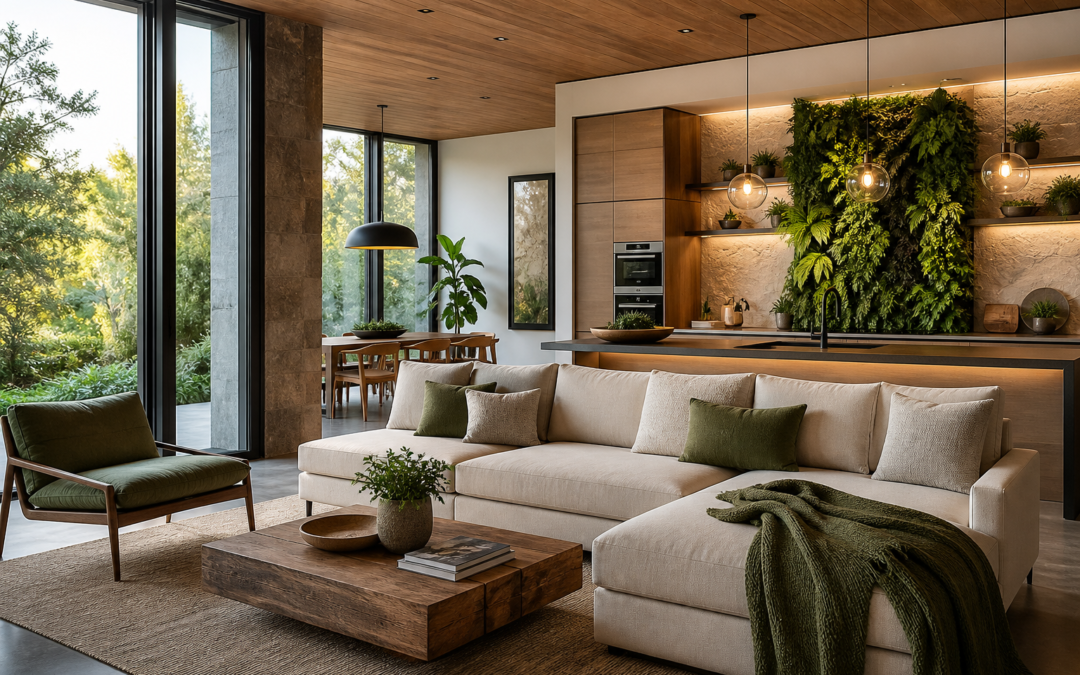
by Tom Koz | ironwood
Eco-friendly luxury home upgrades are redefining what it means to live beautifully, blending refined design with a deeper sense of purpose. From energy-efficient features to thoughtfully chosen materials, these enhancements create spaces that feel as good as they look.
For homeowners who want more from their investment, sustainable luxury offers a way to enjoy lasting beauty, modern performance, and a home that truly reflects their values.
When homeowners begin planning eco-friendly luxury home upgrades, they often discover that sustainability is not a limitation—it is a pathway to greater sophistication, smarter performance, and a home that supports everyday living in meaningful ways. True luxury today goes beyond surface-level beauty.
It includes intentional design, reduced environmental impact, enhanced comfort, and features that bring long-term value to every room. For discerning homeowners, sustainable home design delivers an elevated lifestyle while creating a residence built for the future.
High-Performance Windows and Doors
One of the most impactful places to start is with high-performance windows and doors. These elements do more than frame beautiful views.
They help regulate indoor temperatures, reduce drafts, and improve energy efficiency throughout the year. In a luxury home, this translates into quieter interiors, better climate control, and lower strain on heating and cooling systems.
Carefully selected windows and doors can also flood the home with natural light, making spaces feel open, warm, and inviting while supporting a more energy-efficient home.
Advanced Insulation and Air Sealing
Another exceptional upgrade involves advanced insulation and air sealing. While these details remain largely hidden behind walls and beneath roofs, their effect on daily life is unmistakable.
A well-insulated home maintains a consistent indoor environment, helping every area feel comfortable in every season. This level of performance can transform the way a home feels from morning to night.
It can eliminate cold spots, reduce excess humidity, and create a sense of calm that defines modern luxury living. As part of green home renovations, insulation upgrades can also play a major role in boosting energy savings and preserving the integrity of the home over time.
Smart Home Technology
Smart home technology also deserves a leading role in sustainable luxury construction. Automated lighting systems, energy monitoring tools, smart thermostats, and motorized shading allow homeowners to tailor their spaces with precision.
Instead of wasting energy, these systems adapt to real routines and preferences. Lighting can respond to occupancy, climate systems can optimize performance room by room, and shades can manage heat gain during the brightest hours of the day.
The result is a seamless blend of convenience, efficiency, and elevated design. Smart home features are no longer simply modern additions—they are essential components of eco-friendly luxury home upgrades.
Sustainable Luxury in the Kitchen
In the kitchen, sustainability and luxury come together in especially beautiful ways. Energy-efficient appliances, custom cabinetry made from responsibly sourced wood, and long-lasting countertops crafted from recycled or natural materials can reshape the heart of the home.
A thoughtfully designed luxury kitchen can reduce water usage, lower electricity demand, and improve organization while still delivering a stunning visual impact. Induction cooktops, touchless faucets, and LED accent lighting all contribute to a cleaner, more efficient experience.
For many homeowners, the kitchen becomes the most meaningful expression of sustainable living. It is a space where function and style work together every day.
Green Luxury Bathroom Upgrades
Bathrooms also offer rich opportunities for green luxury upgrades. Water-saving fixtures, radiant floor heating, low-flow shower systems, and durable natural finishes can turn an everyday routine into something restorative and responsible.
Spa-inspired bathrooms can be designed to minimize waste while maximizing comfort. Homeowners can enjoy elegant details that also serve a practical environmental purpose.
Materials such as recycled tile, sustainably harvested wood vanities, and energy-efficient lighting help create a space that feels serene, polished, and enduring. These upgrades show that environmentally conscious design can still feel indulgent in all the right ways.
Eco-Friendly Flooring Options
Flooring is another area where eco-friendly materials can make a dramatic difference. Hardwood from responsibly managed forests, reclaimed wood, bamboo, cork, and premium recycled-content products can all bring depth and beauty to a luxury interior.
These options provide texture, warmth, and character while supporting a more sustainable building process. The emotional impact of natural materials underfoot is significant.
They can make a home feel grounded, timeless, and connected to craftsmanship. In high-end home remodeling, sustainable flooring is an ideal way to unite visual elegance with environmental responsibility.
Sustainable Landscaping and Outdoor Living
For homeowners looking to make a bold exterior statement, sustainable landscaping and outdoor living enhancements can extend luxury beyond the walls of the home. Native plants, efficient irrigation systems, permeable hardscaping, and shaded outdoor retreats create a setting that feels welcoming and refined.
These features help reduce maintenance demands and water use without sacrificing beauty. Outdoor kitchens built with durable materials, energy-efficient landscape lighting, and rainwater-conscious design strategies can further enhance both lifestyle and curb appeal.
These upgrades help homeowners enjoy their property more fully while supporting a healthier relationship with the surrounding environment.
Renewable Energy Solutions
Renewable energy solutions are increasingly becoming part of luxury home improvement strategies as well. Solar panels, battery storage systems, and energy-efficient backup power can add resilience and long-term financial value to a property.
When integrated thoughtfully, these systems support the home’s architecture instead of distracting from it. They can reduce reliance on traditional utilities while helping homeowners feel more secure and prepared.
In custom home building and high-end renovations, renewable energy is now seen not only as responsible, but as a sophisticated investment in lasting performance.
Indoor Air Quality and Wellness
Indoor air quality is another key aspect of eco-friendly luxury home upgrades that should not be overlooked. A home should feel fresh, healthy, and restorative every day.
Advanced ventilation systems, low-VOC paints, natural finishes, and air purification solutions can improve the quality of the indoor environment while supporting comfort and well-being. In a luxury home, excellence is found in the details people can see and in the ones they can feel.
Cleaner air, fewer pollutants, and balanced humidity create a living experience that feels deeply personal and quietly transformative.
Craftsmanship, Planning, and Long-Term Value
Every upgrade becomes more meaningful when guided by craftsmanship, thoughtful planning, and a clear vision for the future. Homeowners investing in sustainable luxury are often looking for more than a list of features.
They want spaces that reflect who they are, support how they live, and stand the test of time. That requires a builder who understands both the artistry of custom design and the practical demands of energy-efficient construction.
When these elements come together, the result is not just a better home—it is a more intentional way of living.
Take the Next Step
If you are ready to explore eco-friendly luxury home upgrades that improve comfort, efficiency, beauty, and long-term value, now is the perfect time to take the next step. Custom solutions can be tailored to your property, your goals, and the lifestyle you want to create.
Visit Ironwood Signature Builders to begin the conversation and discover what is possible for your home. **[Click Here to Get Started](https://ironwoodsignaturebuilders.com)**
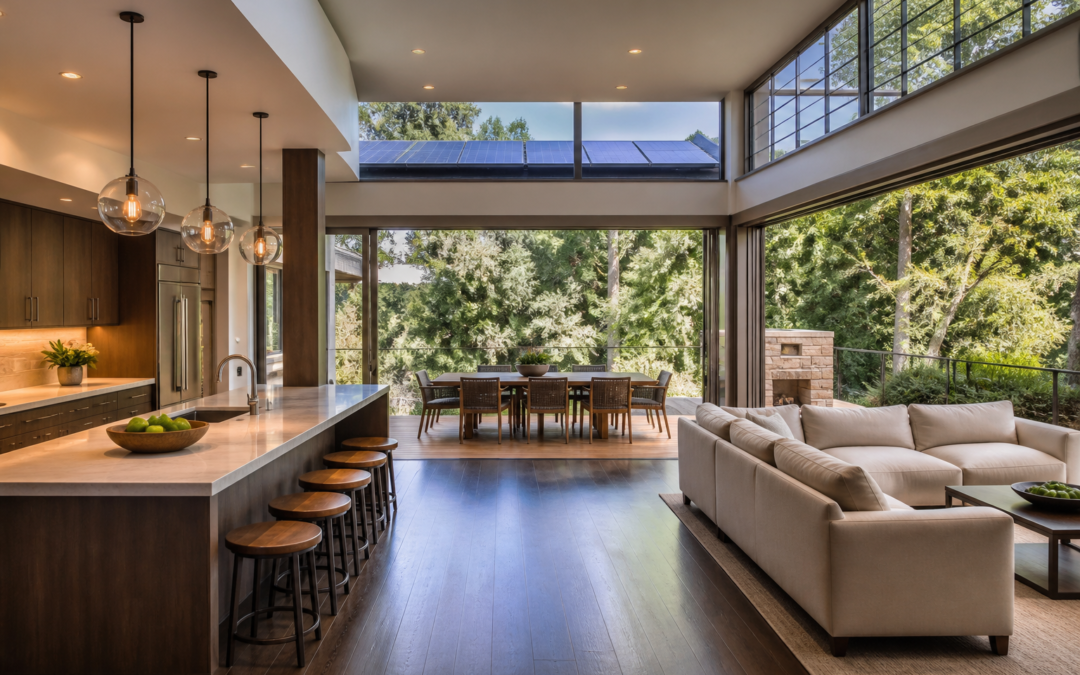
by Tom Koz | ironwood
Eco-friendly luxury home upgrades are more than a design choice—they are a reflection of how you want to live, feel, and leave a lasting impact. By blending sustainable materials, energy-efficient innovations, and elevated craftsmanship, homeowners can create spaces that feel both indulgent and responsible.
From serene natural finishes to smart features that reduce waste without sacrificing comfort, these thoughtful enhancements bring beauty, purpose, and peace of mind into every corner of the home.
Why Eco-Friendly Luxury Home Upgrades Matter More Than Ever
Today’s homeowners want more from their living spaces. They are looking for homes that reflect personal style, support daily comfort, and align with values that reach beyond appearance alone.
Eco-friendly luxury home upgrades answer that desire by pairing refined design with better performance, healthier interiors, and long-term efficiency. These upgrades are not simply trends.
They represent a smarter way to invest in a home that feels exceptional today and remains valuable for years to come. Luxury now means more than visual appeal.
It includes the quiet confidence of knowing your home is built with care, precision, and a forward-thinking approach. With the right choices, homeowners can enjoy custom spaces that reduce energy use, improve indoor air quality, and elevate every detail of everyday life.
Energy Efficiency Meets Elevated Living
One of the most impactful eco-friendly luxury home upgrades is improved energy performance. A well-designed luxury home should feel effortless in every season, and that begins with systems and materials that work together seamlessly.
High-performance insulation, advanced window packages, and carefully sealed building envelopes help maintain indoor comfort while lowering heating and cooling demands. Beautiful, expansive windows can still be part of a sustainable home when they are selected for efficiency as well as style.
Modern luxury homes often incorporate energy-efficient glazing that allows natural light to pour in while minimizing unwanted heat gain or loss. This creates bright, open spaces that feel inviting without putting strain on the home’s energy systems.
Upgrading to smart climate control is another powerful step. Zoned HVAC systems, programmable thermostats, and energy monitoring technology give homeowners more control over comfort and utility costs.
These features support a tailored experience, allowing different spaces throughout the home to function according to how they are actually used. The result is a home that responds to your lifestyle with intelligence and grace.
Sustainable Materials That Bring Depth and Character
Materials play a defining role in any luxury environment. Choosing sustainable options does not mean giving up sophistication.
In many cases, it adds a layer of authenticity and richness that mass-produced finishes cannot match. Reclaimed wood beams, responsibly sourced hardwood flooring, recycled stone surfaces, and low-impact millwork can all bring visual warmth and a strong sense of place to a home.
Eco-friendly luxury home upgrades often begin with selecting materials that tell a meaningful story. Natural textures, organic palettes, and artisan-crafted elements help create rooms that feel grounded and timeless.
Homeowners are drawn to finishes that age beautifully and offer lasting performance, making sustainability an aesthetic advantage rather than a compromise. Low-VOC paints, adhesives, and sealants are also important choices in high-end residential construction.
These products help support healthier indoor environments while preserving the polished look homeowners expect. The beauty of a luxury home should not come at the expense of comfort, and better materials can help ensure every room feels as good as it looks.
Water-Saving Features With a Refined Touch
Water efficiency is another area where design and sustainability can work in perfect harmony. Spa-inspired bathrooms, chef-worthy kitchens, and beautifully landscaped outdoor areas can all be designed with conservation in mind.
Premium low-flow fixtures, high-efficiency appliances, and water-smart irrigation systems offer excellent performance while reducing waste. In a luxury bathroom, a water-saving shower system can still deliver a deeply relaxing experience.
In the kitchen, efficient faucets and appliances support both function and elegance. Outdoors, native plantings and purposefully designed landscapes can reduce water use while enhancing curb appeal with texture, color, and seasonal interest.
These eco-friendly luxury home upgrades allow homeowners to enjoy elevated spaces without excess. Every element can be chosen to serve both experience and efficiency, helping the home feel intentional at every level.
Smart Home Technology for Sustainable Luxury
Technology is helping redefine what modern luxury looks like. Smart home integration is no longer just about convenience.
It is also a valuable tool for sustainability. Lighting controls, automated shades, occupancy sensors, and whole-home energy management systems make it easier to reduce unnecessary consumption while maintaining a high-end living experience.
Imagine arriving home to lighting that adjusts naturally with the time of day, shades that help regulate indoor temperatures, and systems that optimize energy use in the background. These upgrades create a sense of ease while supporting a more efficient home.
Eco-friendly luxury home upgrades that incorporate smart technology can also improve long-term maintenance and performance. Homeowners can track utility usage, identify system inefficiencies, and make informed decisions that protect both their investment and their comfort.
This blend of insight and automation adds a modern dimension to luxury that feels both practical and deeply personalized.
Outdoor Living With Purpose and Beauty
Luxury living extends beyond the walls of the home. Outdoor spaces are becoming a major focus for homeowners who want areas that are both restorative and responsibly designed.
Eco-friendly luxury home upgrades for outdoor living may include sustainably sourced decking, efficient exterior lighting, permeable hardscapes, and outdoor kitchens built with durable, low-impact materials. Thoughtful outdoor design creates places for connection, reflection, and celebration.
A covered patio with energy-efficient lighting, a fire feature designed for clean burning, or a garden space planned around regional conditions can all contribute to a more meaningful home environment. These features do more than enhance property value.
They shape the way a home feels and how it supports the people living there.
A Lasting Investment in Comfort and Craftsmanship
When homeowners choose eco-friendly luxury home upgrades, they are investing in more than finishes and features. They are choosing a standard of living that values durability, wellness, and intentional design.
A home built with sustainable principles often performs better over time, requires fewer costly corrections, and appeals to future buyers who appreciate quality and efficiency. This is where expert craftsmanship matters most.
The success of sustainable luxury depends on thoughtful planning, precision installation, and a clear understanding of how every detail contributes to the whole. From structural elements to final finishes, each decision shapes a home that feels elevated in every sense.
For homeowners ready to create a residence that reflects beauty, innovation, and long-term value, the right builder makes all the difference. **[Click Here to Get Started](https://ironwoodsignaturebuilders.com)** and take the first step toward a home that brings together inspired design and environmentally conscious luxury.
If you want, I can also turn this into:
– a polished plain-text blog post,
– a version with cleaner section spacing,
– or a social/web copy version optimized for readability.
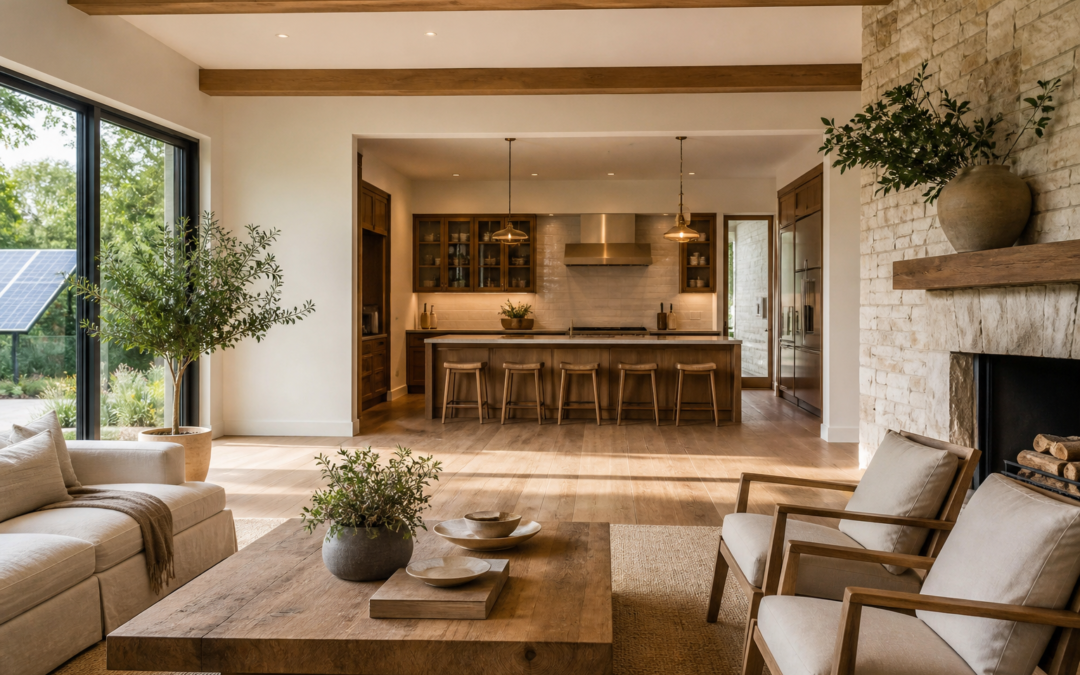
by Tom Koz | ironwood
Eco-friendly luxury home upgrades bring together refined design, enduring comfort, and a deeper sense of responsibility. For homeowners who want their space to feel both elevated and intentional, these thoughtful improvements offer more than beauty alone—they create a home that supports well-being, efficiency, and lasting value.
From natural materials and energy-smart features to sophisticated finishes that leave a lighter footprint, every choice can reflect a commitment to living well without compromise.
Thoughtful Living Through Sustainable Design
Thoughtful living begins with choices that shape the way a home performs every day. When homeowners invest in eco-friendly luxury home upgrades, they are creating spaces that feel more peaceful, more intelligent, and more aligned with the future.
A beautifully built home should do more than impress at first glance. It should work quietly in the background, supporting a healthier lifestyle, reducing waste, and offering a level of craftsmanship that stands the test of time.
Energy Efficiency Without Sacrificing Elegance
One of the most meaningful ways to approach sustainable luxury home design is by focusing on energy efficiency without sacrificing elegance. High-performance windows, advanced insulation, and tightly sealed building envelopes can dramatically improve comfort throughout the seasons.
These behind-the-scenes upgrades help maintain indoor temperatures, reduce drafts, and lower energy use while preserving the serene atmosphere homeowners expect from a luxury residence. In custom homes and renovations alike, these details create a noticeable difference in how a space feels from morning to night.
Modern Lighting for Beauty and Efficiency
Modern lighting is another essential part of green luxury home improvements. Layered LED lighting can highlight architectural details, create warmth in gathering spaces, and consume far less energy than traditional options.
Dimmable systems, designer fixtures, and smart controls allow homeowners to tailor the mood in every room while supporting long-term efficiency. In a luxury setting, lighting is never just practical.
It helps establish ambiance, accentuate texture, and bring depth to the home’s design story.
Water-Conscious Upgrades That Still Feel Indulgent
Water-conscious features also play a major role in eco-friendly home remodeling. Spa-inspired bathrooms, chef-worthy kitchens, and thoughtfully designed outdoor spaces can all be enhanced with low-flow fixtures, efficient irrigation systems, and water-saving appliances.
These upgrades help conserve natural resources without diminishing comfort or beauty. A soaking tub paired with elegant, efficient fixtures still feels indulgent.
A lush landscape supported by smarter irrigation still feels inviting. The result is a home that honors both refinement and responsibility in every detail.
Choosing Materials With Lasting Value
Materials matter deeply when planning sustainable home upgrades. Natural stone, reclaimed wood, responsibly sourced hardwoods, and low-VOC finishes add richness and authenticity while supporting better indoor air quality and more mindful construction practices.
Luxury is often found in texture, depth, and permanence, and sustainable materials bring all three. A reclaimed beam can add soul to a modern living room.
Cabinetry built from responsibly harvested wood can feel just as custom and distinguished as any conventional option. Choosing healthier, enduring materials allows homeowners to surround themselves with beauty that feels grounded and honest.
Smart Home Technology With Purpose
Smart home technology has also become a defining element of eco-friendly luxury home upgrades. Integrated systems can manage lighting, climate, shades, and appliances with remarkable precision.
This level of control makes it easier to reduce unnecessary energy use while enhancing convenience. Imagine waking to natural light as automated shades rise, or returning home to rooms cooled efficiently based on your daily routine.
Smart systems help a luxury home feel effortless, and when designed well, they blend seamlessly into the background while making a significant impact on sustainability.
Sustainable Luxury in the Kitchen
In kitchens, sustainable luxury can be especially transformative. Energy-efficient appliances, custom cabinetry made with greener materials, and durable surfaces designed for longevity can elevate one of the most used spaces in the home.
An eco-friendly luxury kitchen is not only beautiful; it is also intentionally planned to support real life. Induction cooktops, efficient refrigeration, and thoughtfully designed task lighting contribute to a more streamlined and responsible culinary environment.
These choices help create a kitchen that feels polished, inviting, and ready to serve as the heart of the home for years to come.
Greener Outdoor Living Spaces
Outdoor living areas also offer powerful opportunities for green luxury home improvement. Covered patios, outdoor kitchens, fire features, and pools can all be designed with sustainability in mind.
Permeable paving, native landscaping, energy-efficient outdoor lighting, and durable weather-resistant materials can reduce environmental strain while enhancing year-round enjoyment. A well-designed outdoor space should feel like a natural extension of the home, offering moments of rest, celebration, and connection.
Sustainable choices help preserve that beauty while reducing the long-term demands of maintenance and resource use.
Sustainability and Resale Value
Homeowners considering eco-friendly luxury renovations often discover that sustainability and resale value go hand in hand. Buyers are increasingly drawn to homes that combine exceptional design with lower operating costs and future-focused features.
High-efficiency systems, durable premium materials, and environmentally conscious upgrades can strengthen a property’s appeal in a competitive market. While personal enjoyment is often the first motivation, these investments can also position a home more favorably for years ahead.
Luxury with purpose resonates deeply because it reflects a lifestyle that is both aspirational and practical.
The Emotional Impact of a Well-Built Home
The emotional impact of a thoughtfully built or remodeled home should never be overlooked. Sustainable luxury homes often feel calmer, cleaner, and more deeply attuned to the people living in them.
Better air quality, natural light, quieter interiors, and improved thermal comfort shape everyday experiences in subtle but lasting ways. These are the upgrades that turn a house into a retreat.
They invite families to gather, rest, and grow in a setting that feels nurturing as well as beautiful.
The Importance of the Right Builder
For homeowners who want every square foot to reflect intention, partnering with the right builder is essential. A trusted custom builder can help align high-end aesthetics with sustainable building methods, ensuring that every feature serves both form and function.
From early design conversations to material selection and final finishes, expert guidance makes it possible to create a home that expresses personal style while supporting environmental responsibility. True craftsmanship lies in balancing beauty, performance, and longevity with care.
A Future-Focused Way to Live
Whether you are planning a whole-home transformation, a custom build, or a focused remodel, eco-friendly luxury home upgrades can reshape the way your home looks, feels, and functions. They offer a path toward elevated living that does not ask you to choose between sophistication and sustainability.
Instead, they prove that a luxury home can be both breathtaking and conscientious, filled with details that enrich daily life while reflecting a broader vision for the future.
If you are ready to explore sustainable luxury home design tailored to your lifestyle, now is the time to begin. Every decision made today can help create a home that feels more enduring, more efficient, and more inspiring tomorrow.
**[Click Here to Get Started](https://ironwoodsignaturebuilders.com)**
by Tom Koz | ironwood
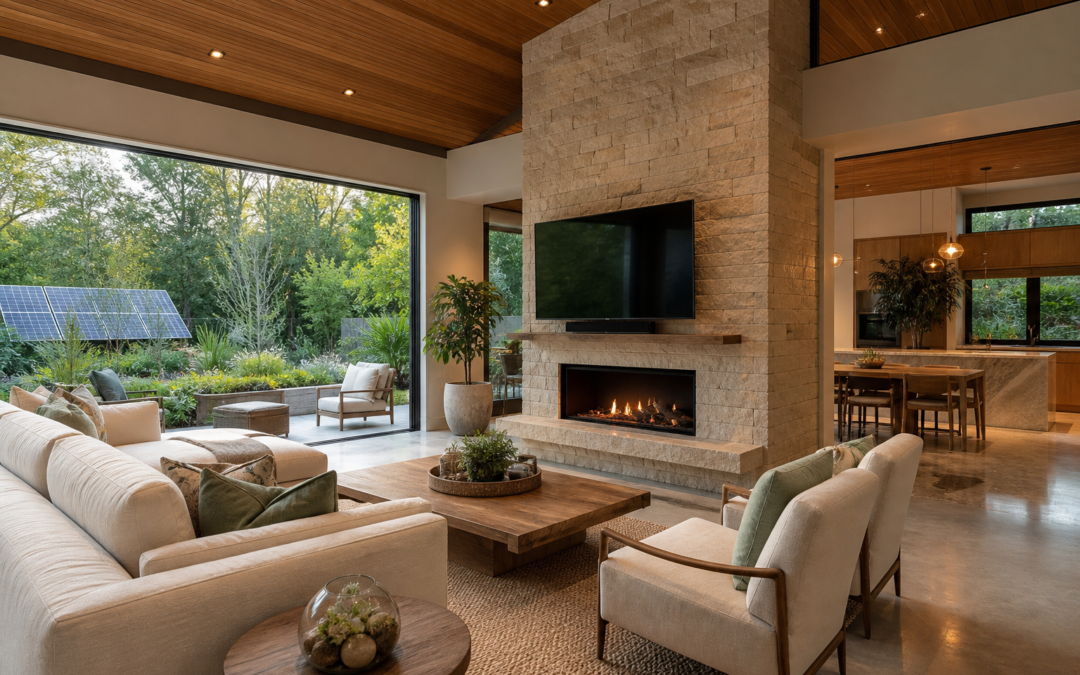
Eco-friendly luxury home upgrades are redefining what it means to live beautifully, blending elevated design with thoughtful choices that honor both comfort and the environment. From energy-efficient features to sustainable materials with timeless appeal, these refined enhancements create spaces that feel as good as they look.
For homeowners who want every detail to reflect lasting value, personal style, and a deeper sense of responsibility, eco-friendly luxury home upgrades offer a graceful path toward a home that inspires every day.
Why Homeowners Are Choosing Sustainable Luxury
The modern luxury home is no longer defined by appearance alone. Today, discerning homeowners are looking for spaces that perform beautifully behind the walls as well as in the rooms they enjoy every day.
That is why eco-friendly luxury home upgrades have become such a powerful priority. They represent a meaningful investment in wellness, efficiency, craftsmanship, and long-term value.
When planned with care, sustainable upgrades can transform an already beautiful home into a more intelligent, resilient, and refined living environment. These improvements support a better quality of life by reducing waste, enhancing indoor comfort, and creating a stronger connection between elegant design and responsible building practices.
For families who want a home that reflects their values as much as their taste, the right upgrades can make all the difference.
High-Performance Windows and Doors
One of the most impactful eco-friendly luxury home upgrades begins with the building envelope. Premium windows and doors do far more than frame attractive views.
High-performance glazing, improved seals, and advanced materials help maintain stable indoor temperatures, reduce drafts, and improve energy efficiency throughout the year. Luxury homeowners often appreciate the silent comfort that quality windows bring.
Better insulation can reduce outside noise, create a more peaceful interior atmosphere, and help heating and cooling systems work less aggressively. The result is a home that feels serene, polished, and exceptionally well-crafted.
Custom window packages can also be selected to complement architectural style, whether the home leans modern, traditional, or transitional. In this way, sustainable home upgrades support visual sophistication while delivering practical, everyday benefits.
Energy-Efficient Lighting With Elevated Style
Lighting has the power to shape mood, highlight design features, and bring warmth to every room. Upgrading to energy-efficient LED lighting is one of the smartest green luxury home improvements available, especially when integrated into a layered lighting design plan.
Statement chandeliers, recessed architectural lighting, under-cabinet illumination, and exterior landscape lighting can all be designed to consume less energy while still creating a dramatic visual effect. Smart dimming systems add another layer of control, allowing homeowners to adjust ambiance as needed while managing electricity use more efficiently.
This is where luxury and sustainability truly come together. Thoughtful lighting design does more than brighten spaces.
It creates emotion, emphasizes craftsmanship, and turns ordinary routines into elevated daily experiences.
Smart Home Technology for Sustainable Living
Technology is reshaping the way luxury homes function. Integrated smart systems can now monitor energy use, automate lighting schedules, optimize indoor temperature, and manage water consumption with remarkable precision.
These capabilities make eco-friendly luxury home upgrades especially appealing for homeowners who value both convenience and environmental awareness. A smart thermostat can learn your routine and adjust settings accordingly.
Automated shades can help manage solar heat gain during hot months. Whole-home energy monitoring systems provide real-time feedback, giving homeowners a clearer understanding of how the house performs.
These features do not simply add novelty; they improve efficiency in a way that feels seamless and intuitive. A well-designed smart home is not about complexity.
It is about creating a living experience that feels effortless, responsive, and thoroughly modern.
Sustainable Kitchen Upgrades That Blend Beauty and Function
The kitchen is often the emotional center of the home, making it an ideal space for meaningful transformation. Sustainable kitchen renovations can include energy-efficient appliances, responsibly sourced cabinetry, recycled or natural countertop materials, and water-saving fixtures.
Many homeowners seeking eco-friendly luxury home upgrades are drawn to kitchen designs that feel open, welcoming, and enduring. Materials such as sustainably harvested wood, low-VOC finishes, and long-lasting surfaces help create a healthier environment without sacrificing style.
Induction cooktops, advanced refrigeration systems, and efficient dishwashers also contribute to lower energy and water use. A luxury kitchen should feel deeply personal.
It should support quiet mornings, festive gatherings, and everything in between. With sustainable planning, it can become a space that offers both striking visual appeal and lasting performance.
Spa-Inspired Bathrooms With Water-Saving Performance
Bathrooms offer another powerful opportunity for sustainable transformation. A well-executed bath remodel can introduce comfort-driven features while reducing unnecessary water use.
Rain showers with efficient flow rates, elegant low-flow fixtures, high-performance toilets, and energy-efficient ventilation all support a more responsible and luxurious environment. These sustainable luxury home upgrades can create spaces that feel restorative and calming.
Heated floors, carefully selected tile, natural stone accents, and refined lighting contribute to a spa-like atmosphere, while modern plumbing solutions ensure efficient performance behind the scenes. Water conservation does not have to feel restrictive.
In a thoughtfully designed bathroom, it feels graceful, intelligent, and completely aligned with high-end living.
Better Insulation for Year-Round Comfort
Some of the most valuable upgrades are the ones homeowners do not see every day. High-quality insulation in walls, attics, and crawl spaces can dramatically improve the comfort and performance of a home.
This type of investment helps preserve indoor temperatures, reduce strain on HVAC systems, and support lower utility costs over time. As part of a larger eco-friendly luxury home upgrades strategy, improved insulation contributes to a more stable and pleasant indoor environment.
Rooms feel less drafty in winter and less overheated in summer. Climate control becomes more consistent, and the home simply feels better to live in.
When comfort is uninterrupted, luxury becomes more than appearance. It becomes something you feel in every season.
Outdoor Living With Sustainable Design
Luxury living does not stop at the back door. Sustainable outdoor upgrades can extend comfort and beauty into patios, courtyards, and landscaped spaces.
Native plantings, efficient irrigation systems, permeable pavers, and environmentally conscious lighting all help create outdoor environments that are attractive and easier to maintain. Homeowners are increasingly incorporating eco-friendly luxury home upgrades into exterior design by adding covered living spaces, outdoor kitchens with efficient appliances, and durable materials built to last.
These spaces encourage connection—with nature, with family, and with the rhythms of daily life. A beautifully designed outdoor retreat can become one of the most memorable parts of a home, offering peace, gathering space, and a stronger sense of place.
The Value of Custom Planning
No two luxury homes are exactly alike, which is why thoughtful customization matters so much. The most successful eco-friendly luxury home upgrades are guided by a clear understanding of the home’s architecture, the homeowner’s lifestyle, and the long-term goals for performance and beauty.
A customized approach allows every upgrade to feel cohesive rather than piecemeal. It ensures that finishes, systems, and structural improvements work together to create a living environment that feels intentional, elegant, and enduring.
Whether you are planning a refined kitchen renovation, a whole-home sustainability strategy, or a more comfortable and efficient outdoor retreat, expert guidance can help bring your vision to life with confidence and clarity.
**[Click Here to Get Started](https://ironwoodsignaturebuilders.com)**
by Tom Koz | ironwood
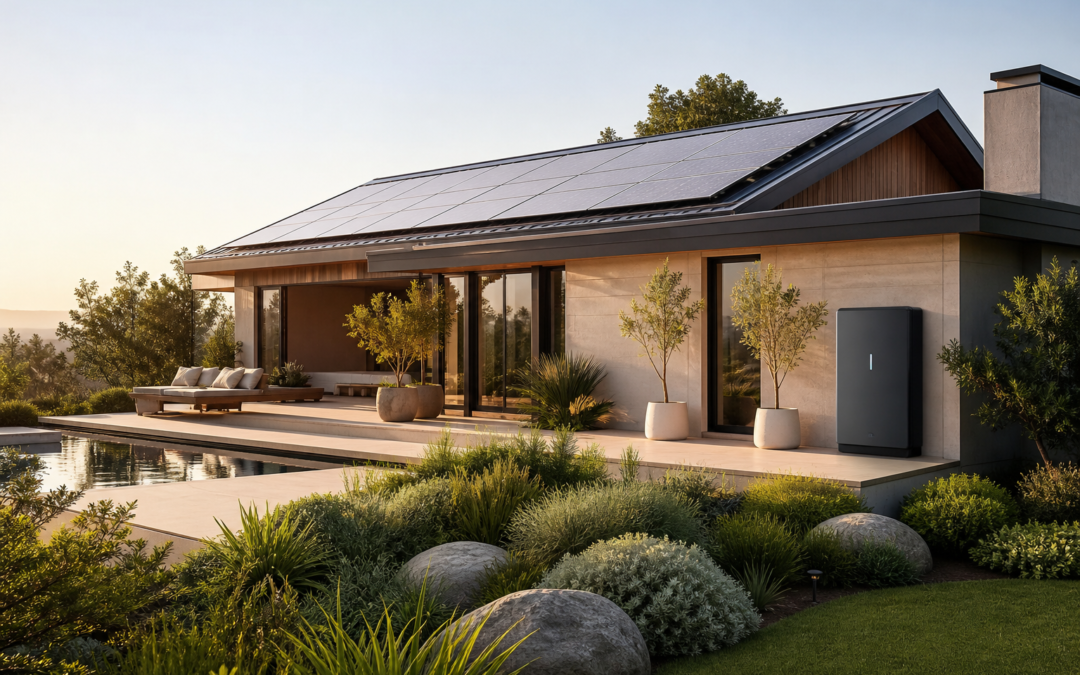
Eco-friendly luxury home upgrades bring together refined design, lasting comfort, and a deeper sense of responsibility for the way we live. From energy-efficient features to beautifully crafted materials with a lighter environmental footprint, these thoughtful enhancements can transform a home into a space that feels both elevated and enduring.
For homeowners who value elegance without compromise, sustainable luxury offers more than visual appeal—it creates a healthier, more intentional lifestyle designed to be enjoyed for years to come.
Everyday Performance Starts with Smart Design
Thoughtful sustainability begins with the way a home performs every day. When planning eco-friendly luxury home upgrades, the most meaningful changes often happen behind the walls and beneath the surface.
High-performance insulation, advanced air sealing, and energy-smart windows can dramatically improve indoor comfort while helping maintain a consistent temperature in every season. These features reduce energy waste, support quieter interiors, and create a living environment that feels calm, efficient, and beautifully balanced.
Lighting That Enhances Ambiance and Efficiency
Lighting is another area where luxury and sustainability naturally meet. Layered lighting design can shape the mood of a room, highlight architectural details, and support daily routines from morning to evening.
By integrating LED fixtures, dimmable systems, and smart lighting controls, homeowners can reduce electricity use without sacrificing atmosphere. In a custom home or remodel, carefully placed lighting becomes more than a practical feature—it becomes part of the experience of the space, adding warmth, sophistication, and effortless functionality.
A More Sustainable Luxury Kitchen
A modern kitchen offers one of the strongest opportunities for eco-friendly luxury home upgrades. Sustainable kitchen design can include energy-efficient appliances, induction cooktops, water-saving fixtures, and responsibly sourced cabinetry.
Natural stone, recycled materials, and low-VOC finishes bring beauty and durability while supporting healthier indoor air quality. The result is a kitchen that feels welcoming and polished, yet also aligned with a more mindful way of living.
Because the kitchen is often the heart of the home, investing in sustainable improvements here can create an impact that is both deeply personal and highly visible.
Bathrooms Designed for Comfort and Conservation
Bathrooms, too, can be transformed into beautiful retreats through environmentally conscious design. Water-efficient faucets, low-flow shower systems, and high-efficiency toilets reduce unnecessary consumption while preserving a feeling of comfort and indulgence.
Heated floors powered by efficient systems, natural textures, and elegant finishes can elevate the room into a spa-like sanctuary. Eco-friendly luxury home upgrades in the bathroom can support quiet moments of restoration while demonstrating that conservation and comfort can exist together with grace.
Elevated Materials with Lasting Character
Flooring and interior materials play a powerful role in defining a home’s character. Homeowners seeking sustainable luxury often choose hardwood from responsibly managed forests, reclaimed wood with rich history, natural wool rugs, bamboo flooring, or tile made from recycled content.
These materials bring visual depth, craftsmanship, and authenticity to every room. More importantly, they tell a story of intention.
A home filled with carefully chosen finishes feels personal and grounded, showing that quality design is not only seen but felt in the atmosphere it creates.
Cleaner Indoor Air for Healthier Living
Indoor air quality has become an increasingly important part of upgrading a high-end home. Luxury living should feel refreshing, not compromised by pollutants trapped inside.
Low-VOC paints, formaldehyde-free cabinetry, natural textiles, and advanced ventilation systems can help create cleaner air throughout the home. Air purification technology and humidity control also contribute to a more comfortable environment, especially for families who want a space that supports wellness as much as style.
In this way, eco-friendly luxury home upgrades can quietly improve everyday life in ways that are meaningful long after the project is complete.
Smart Technology That Works in the Background
Smart home technology adds another layer of thoughtful performance. Integrated systems can monitor lighting, climate, irrigation, security, and energy use with remarkable precision.
Rather than overcomplicating daily life, the right smart home features make living easier, more intuitive, and more efficient. Automated shades can reduce solar heat gain, smart thermostats can adapt to household routines, and water monitoring devices can detect leaks before they become costly problems.
Sustainable luxury is often defined by this kind of intelligence—features that work beautifully in the background while helping protect both the home and the environment.
Outdoor Living with Environmental Awareness
Outdoor spaces deserve the same level of care and vision as the interior. Drought-conscious landscaping, native plant selections, permeable hardscaping, and efficient irrigation systems can create a stunning exterior that is also easier to maintain.
Outdoor kitchens with energy-efficient appliances, covered living areas designed for passive cooling, and strategically placed shade structures can make the backyard feel like a natural extension of the home. These eco-friendly luxury home upgrades allow homeowners to enjoy beauty beyond the walls of the house while respecting the land around it.
Windows and Doors That Balance Beauty and Performance
Windows and doors are often underestimated in luxury home improvement projects, yet they have a major influence on comfort, aesthetics, and efficiency. Expansive, energy-efficient windows can invite in natural light while minimizing heat transfer.
Well-crafted exterior doors can enhance insulation and create a memorable first impression. When selected with both design and performance in mind, these features help define the emotional tone of a home—open, bright, welcoming, and secure.
For many homeowners, this balance between elegance and efficiency is what makes sustainable design feel truly luxurious.
Built for Long-Term Value
Long-term value is one of the most compelling reasons to pursue eco-friendly luxury home upgrades. Discerning homeowners are often looking beyond immediate visual impact and considering how a space will serve them over time.
Durable materials, efficient systems, and timeless design choices can reduce maintenance, lower operating costs, and increase overall property appeal. In a market where buyers are increasingly conscious of performance and sustainability, these improvements can also strengthen resale potential.
A home designed with care today can remain relevant, efficient, and beautiful for years to come.
The Quiet Confidence of Sustainable Luxury
The emotional appeal of sustainable luxury lies in its quiet confidence. It is not about excess or trend-driven choices.
It is about creating a home that reflects discernment, purpose, and a genuine commitment to better living. Every detail, from energy-efficient home design to eco-conscious remodeling materials, contributes to a sense of harmony that feels unmistakably elevated.
The finest spaces are often the ones that support the people inside them with subtle intelligence, enduring beauty, and thoughtful craftsmanship.
Partnering with the Right Builder
For homeowners ready to invest in a custom living experience that honors both luxury and sustainability, the right builder makes all the difference. A well-executed vision requires expert planning, seamless integration of modern building science, and a deep understanding of how to pair premium design with environmentally responsible choices.
If you are considering eco-friendly luxury home upgrades and want to create a residence that feels inspiring in every season, **[Click Here to Get Started](https://ironwoodsignaturebuilders.com)**.

